
7 Secrets You Didn't Know About Transferring Money Abroad
Table of Contents
- What You Should Know About Transferring Money Abroad
- Secret #1: Know the exchange rate
- Secret #2: Be aware of any fees that may be associated with the transfer
- Look for No-fee Options
- Secret #3: Always use a reputable money transfer service
- Secret #4: Make sure you have all the necessary information before starting the process
- Secret #5: Understand that transferring money abroad can take some time
- Secret #6: Be sure to keep track of your transfer
- Secret #7: Know your transfer limits
- How Do International Exchange Rates Work?
- Consider the Convenience Factor
- Risks Associated with Using Floating Exchange Rates
- Do You Need To Find the Best Remit Exchange Rate for Sending Money Internationally?
You probably think that transferring money abroad is a difficult and expensive process. You may have heard horror stories about people who lost their life savings while trying to transfer money overseas. Thankfully, this doesn't have to be the case!
There are several secrets that most people don't know about transferring money abroad. In this article, we will discuss seven of these secrets. By following these tips, you can make the process of transferring money much easier and less expensive!

What You Should Know About Transferring Money Abroad
When it comes to money, there are always going to be a few hiccups along the way — no matter how much you plan. That's the case when you're dealing with foreign currency and trying to make sure everything lines up just right. Here are seven secrets that will help save you time, energy, and maybe even a little bit of money too!
Secret #1: Know the exchange rate
This may seem like an obvious one, but it's important to keep in mind that the exchange rate can fluctuate. That means that the amount of money you think you're going to get might not be exactly what you end up with. It's always a good idea to check the current exchange rate before making any transfers. There are a few ways to do this. You can check online at sites like XE.com or Google Finance, or you can call your bank and ask them what the current rate is.
Exchange rates are one of the most important factors that will determine how much money your recipient will get overseas.
Secret #2: Be aware of any fees that may be associated with the transfer
Banks typically charge a fee for each foreign transaction, and that fee can vary depending on the bank. Some banks will charge a flat fee while others will charge a percentage of the amount you are transferring. Be sure to ask your bank about any fees associated with transferring money abroad before you initiate the transfer so that you can budget accordingly.
Look for No-fee Options
When it comes to transferring money, you're usually going to have to pay some sort of fee. But that doesn't mean you can't try to minimize those fees as much as possible. There are several ways to do that, but one of the simplest is just to look for providers that don't charge any fees at all.
Secret #3: Always use a reputable money transfer service
When you make a transfer with your regular bank, they will likely use what's called the Society for Worldwide Interbank Financial Telecommunication system, or SWIFT. This is fine for small amounts of money, but it can be very slow (taking up to five days) and expensive.
Another great thing about using a specialist service is that they have much more experience dealing with different currencies. This means that if something does go wrong (which is always a possibility when transferring money internationally), you're more likely to get help from someone who knows what they're doing. These companies often have lower fees and better exchange rates than banks. They can also be a good option if you need to send money to a country where banks aren't always reliable.
Money transfer companies generally have better exchange rates and lower fees as compared to banks.
Secret #4: Make sure you have all the necessary information before starting the process
This includes the full name, address, and phone number of the recipient, as well as the bank account number and routing number. You'll also need to have this information for your bank account. In addition, you'll need to know the amount of money you want to transfer and the currency you want to use.
If you're not sure about any of this information, contact your bank or the recipient's bank for help. They'll be able to walk you through the process and make sure everything is done correctly.
Once you have all the necessary information, you can start the process of transferring money abroad. There are a few different ways to do this, so it's important to choose the method that's right for you. You can use a bank transfer, an international wire transfer service, or a money transfer service.
Each method has its advantages and disadvantages, so it's important to compare them before making a decision. For example, bank transfers are typically the most expensive option, but they're also the most convenient. On the other hand, money transfer services are usually cheaper, but they may not be available in all countries.
Secret #5: Understand that transferring money abroad can take some time
Depending on the method you're using, it can take a few days for the transfer to go through. The process usually starts with your bank, which will then send the money to an intermediary bank and finally to the recipient's bank. Depending on the banks involved and how busy they are, this whole process can take a few days.
It's important to be patient when transferring money abroad. The process can sometimes be slow, but it will eventually go through. In the meantime, there's no need to worry; your money is safe and sound. So, if you're in a hurry to get money to someone overseas, be sure to plan.
Secret #6: Be sure to keep track of your transfer
This means keeping records of things like the date, amount, and exchange rate. This can be helpful if there are any problems with the transfer or if you need to cancel it for any reason. You should always keep track of your transfer after you've sent it. This way, you can be sure that the money has arrived at its destination safely. You can do this by asking the recipient to confirm receipt of the funds, or by checking your bank statements.
Secret #7: Know your transfer limits
If you are transferring a large sum of money, there may be limits in place. For example, banks typically have a limit on how much money can be transferred out of an account per day. It's important to know these limits before trying to transfer a large sum of money, as you may need to make arrangements with your bank ahead of time.
Research transfer limits if you need to send a larger amount of money overseas.
Another limit to be aware of is the maximum amount that can be transferred in a single transaction. This limit is typically set by the payment service provider (e.g., PayPal) and not by the banks involved in the transfer. Again, it's important to know this limit before attempting to transfer funds, as you may need to make multiple transfers to complete the transaction.
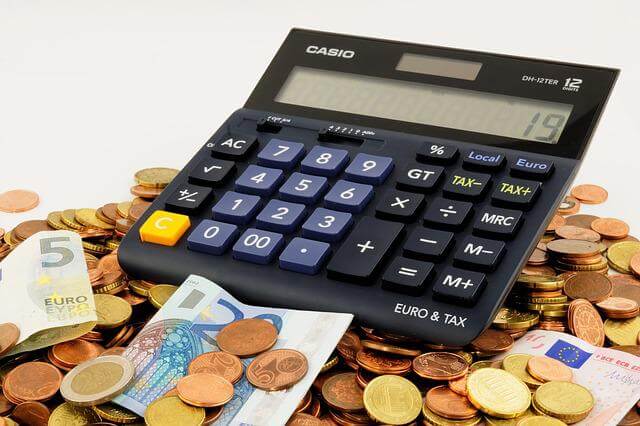
There may be limits on how much foreign currency can be bought or sold in a single transaction. These limits are typically set by the currency exchange service provider and not by the banks involved in the transfer. Knowing these limits is important if you're planning on transferring a large sum of money, as you may need to make multiple transactions to complete the transaction. By knowing your limits, you can avoid any surprises when trying to transfer money abroad.
How Do International Exchange Rates Work?
The foreign exchange market is where different currencies are traded. The rates at which these currencies are traded are determined by the supply and demand for each currency. When you want to buy a foreign currency, you will need to sell another currency to get it. The rate that you can buy or sell a currency at is called the "exchange rate."
Exchange rates can be floating or fixed. A floating exchange rate is constantly changing based on the supply and demand for the currencies involved. A fixed exchange rate is set by a government or some other authority and does not change.
Most of the time when you're transferring money abroad, you'll be dealing with floating exchange rates. The reason for this is that, in general, floating exchange rates will give you a better rate than fixed exchange rates. This is because the market value of a currency is always changing, so you're more likely to get a good deal when the exchange rate is floating.
Foreign currency exchange rates are constantly fluctuating, so ensure that you keep track of them.
There are some exceptions to this rule, though. If you're transferring a large amount of money, or if you need to transfer the money very quickly, then it might be better to use a fixed exchange rate. That's because, with a large amount of money, even a small difference in the exchange rate can make a big difference in how much money you end up with. And if you need to transfer the money quickly, then it's important to have a rate that won't change before the transfer is complete.
Consider the Convenience Factor
Especially if you're making a large transfer, you'll want to consider how convenient the process is going to be. That means looking at things like how long the transfer will take and whether or not there are any limits on how much you can send. The last thing you want is to be stuck in a long line at the bank or have your transfer get held up because it's too large.
Risks Associated with Using Floating Exchange Rates
If the market value of the currency you're selling goes down while you're in the process of transferring the money, then you could end up losing money. It's important to understand the risks and benefits of using floating exchange rates before you decide how to transfer your money.
Do You Need To Find the Best Remit Exchange Rate for Sending Money Internationally?
RemitFinder is an online service that helps you track remit exchange rates. By checking and comparing the latest remit exchange rates, you can get the best exchange rate for your money transfers. RemitFinder, thus, helps you to get the best return for your hard-earned money.
Find the cheapest rate to transfer your hard-earned money - visit our site or download the app on Google Play or Apple App Store now.
Want to explore by country? Browse all destination countries on our send money to hub or sending countries on our send money from hub.
Categories


Similar Articles


US Big Beautiful Bill's Impact On Remittances
The Big Beautiful Bill has been passed in the US, and remittances are impacted. Learn how the Bill impacts remittances and what to do if you are affected by the new law.

Bangladesh Remittance Cash Incentive: All You Need To Know
Learn how Bangladesh's remittance incentive works and how you can earn an extra 2.5% when sending money home from abroad.
The Ins And Outs Of International Mobile Money Transfers
Learn how international mobile money transfers work, including fees, security, and tips to send money abroad using your mobile device.