
Guide to Investing in Real Estate in the Philippines
Table of Contents
- What is the current state of real estate in the Philippines?
- Why invest in real estate in the Philippines?
- What types of real estate investments are available in the Philippines?
- How to invest in real estate in the Philippines?
- Identify your target market
- Assess your budget
- Research the current state of the real estate market in the country
- Observe any signs of development in an area
- Consider your financial goals
- What are real estate taxes in the Philippines?
- Conclusion
If you're wondering when is the best time to invest in the real estate industry in the Philippines, then the answer is NOW.
The country's real estate industry is robust and thriving, with a favorable forecast due to the country's resilient economy, growing population, and increasing urbanization. In fact, housing prices in the Philippines are at their all-time high with a 26.6% YoY increase in 2020.
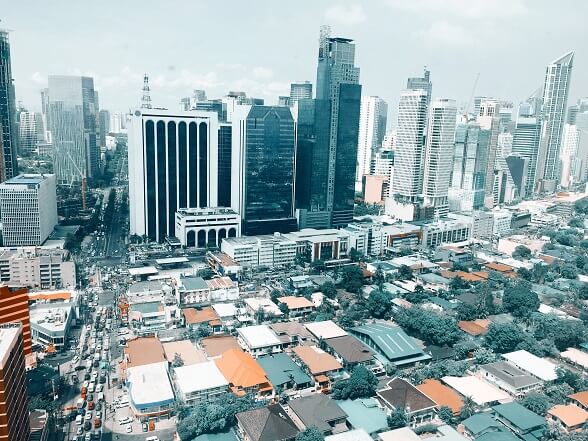
The Philippines operates in a macroeconomic environment where the government, investors, and consumers play significant roles in keeping the economy stable and flourishing.
The expansion of the BPO (Business Process Outsourcing) industry, foreign investments, and the steady inflow of OFW (Overseas Filipino Workers) remittances continue to make the economy robust, thereby paving the way for promising real estate investments.
What is the current state of real estate in the Philippines?
Real estate investment is thriving in the Philippines because the country has one of the best real estate policies. Real estate laws in the Philippines are generally buyer-friendly. Still, provisions ensure that both seller and buyer have equal rights regarding their properties. Property tax is also appraised based on the current and fair market value and assessed according to use.
Economists and real estate experts have optimistic forecasts for the country's forthcoming economic recovery in 2021 despite the record low -4.2% drop in housing prices.

Even though the global pandemic has reshaped the trends and needs in real estate, intelligent investors can take advantage of new opportunities presented post-pandemic. An appreciation in property value is inevitable because of the expected completion of various government infrastructure projects.
Despite the slow economy brought about by the pandemic, the Philippines' BPO industry is in steady traction and is expected to provide additional services to cater to global outsourcing needs. This will increase the demand for additional offices and workspaces, providing real estate investors with golden opportunities to buy, hold, and sell properties.
The country's economy has bounced back and grown stronger after several global and regional financial crises. As seen from the past, the country's economy is highly resilient, creating a solid and flourishing market for the real estate industry.
Why invest in real estate in the Philippines?
Aside from the country's property-friendly policies, one compelling reason to invest in real estate in the Philippines is that property investments have a steady yield of high returns despite the global pandemic.
Industry experts point to various data points that show that real estate properties in the country generate profitable capital appreciation, preserve wealth, and are one of the best long-term investments.
Why should OFWs invest in real estate in the Philippines?
In general, real estate investments in the Philippines are lucrative. However, that is not the only reason why you should invest in real estate. For one, investing in real estate lets you call your house your own.
Owning a residential property as an OFW can be a significant motivation to sacrifice working away from your family. Investing in real estate also provides you with an excellent opportunity to save and grow your hard-earned money, securing your future and that of your family.
Before you decide to purchase a property, it is crucial to conduct extensive research and consider the location, amenities, and accessibility of important services. It is also essential to have a solid financial plan to ensure that you can pay the reservation fee, down payment, and mortgage payments.
Once you have decided to purchase, partner with a reputable real estate developer and work with a reliable attorney to help you with legal advice and documents to ensure you comply with all the requirements needed to complete the property purchase.
What types of real estate investments are available in the Philippines?
Below we discuss the different types of real estate investment options available in the Philippines.
Residential
Residential properties refer to all kinds of property specifically suitable for dwelling and living. Such properties can be a newly constructed or resale homes. The most common residential properties are single-family homes that include condominiums, apartments, and townhouses. Multiple dwelling residences are also commonly available.
If you are planning to own a house, then investing in a residential property is an excellent choice. You can also make money through rental income and value appreciation.
Purchasing a foreclosed residential property is also a wise way to start a real estate investment. However, you'd want to consider the condition of the property and the possible cost for repairs.
Commercial
Commercial properties typically include buildings and structures that are used for various businesses and industries. They house businesses, but they can also be land intended for profit or large commercial rental properties. A few examples are malls, hospitals, business offices, hotels, and related commercial buildings.
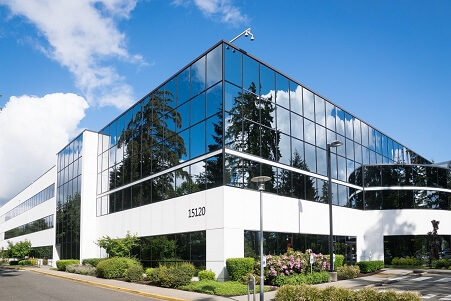
Commercial investments are considered safe investments by industry experts the returns tend to be higher. Additionally, lease agreements are generally straightforward and direct compared to residential contracts, thereby resulting in lesser issues and problems when dealing with and managing the property.
Industrial
Industrial properties are generally used by businesses that manufacture or produce goods. They can also be a real estate property that supports packing, moving, or storing goods and products. Some examples are warehouses and buildings as well as land properties where products are manufactured, researched, stored, and distributed.
These buildings are typically not as aesthetically designed as commercial or residential properties.
One way to start investing in industrial real estate is to purchase vacant land and build an industrial facility or buy shares from a real estate investment trust (REIT) through a brokerage account.
Land
Land in real estate refers to property without buildings or equipment and designated by a fixed boundary. Examples of land properties are ranches, farms, and vacant lands. Undeveloped properties also fall under this category.
Land is an economically scarce property, and investing in land development comes with risks and high associated costs. Developing land comes with higher taxation, regulatory restrictions, as well as leasing and selling ramifications.
Land in itself is a valuable resource; however, its value increases with natural resources like oil, gas, or gold. If done correctly and with due diligence, investing in undeveloped land property can produce lucrative cash flows with consistent appreciation value.
How to invest in real estate in the Philippines?
Below we present several helpful tips to successfully invest in real estate in the Philippines.
Identify your target market
If you're planning to invest in real estate, it's essential to identify your target market first. After all, you're less likely to gain a profit from your investment property if it's something that is not compatible with its surroundings.
For example, if you invest in a more luxurious real estate property in an area where most households are in the low-income market segment, you won't earn much profit because local residents in that area don't have enough purchasing power to avail of your property.
This is why you can find condominium units at a much lower price in some areas than others, even if they're under the same property developer. This is because real estate developers typically categorize their projects according to the target market in that area. As a result, they can maximize the market's purchasing power, especially those in low to middle-income households.
Assess your budget
Investing in real estate is undoubtedly a costly endeavor, especially if you're planning on purchasing real estate in busy locations like the Bonifacio Global City, Ortigas, and Makati.

In addition, different property types will also entail different price points, so you need to ensure you have the capacity to pay for your investment before committing.
For example, you need to check if you have enough funds to afford the property's down payment. This is usually around 10-20% of the full contract price in the Philippines.
Other fees include the reservation fee, registration fees and monthly mortgage if you're getting a bank loan. You also need to ensure you have enough emergency funds to accommodate any repairs or maintenance required for your investment property.
Before you dive in and invest, thoroughly assess your budget and ensure you have enough to cover any expenses needed for your investment.
Research the current state of the real estate market in the country
Doing adequate research is always a must, regardless if you're buying a small item or investing in real estate properties. If you want to maximize your investment property's potential, it pays to do your research on the current state of the market.
For example, you can talk to several real estate brokers to gain deeper and more precise insights into the actual situation of the country's real estate market. Doing so will help you identify just what and where to buy as well as how the market works.
Moreover, doing your research will also ensure that you're not taking any unnecessary risks with your investment. This can also help you identify the various opportunities for growth that can help guide your decisions.
Lastly, having a solid grasp of the country's current real estate market will give you a more realistic perspective on your investments to ensure you maximize their potential.
Observe any signs of development in an area
Location is undoubtedly a crucial factor when looking for real estate properties for your investments. However, you also need to factor in signs of development when considering specific areas for your investment.
These can be good indicators and predictors of further growth and development which can increase the value of the properties in that area manifold. Some examples of these signs can be news of a new mall being built or other establishments that people will flock to.
After all, most people would prefer living in a more convenient location where everything is easily accessible and readily available. Therefore, as an investor, observing the various signs of development is essential as these indicate further appreciation of your property's value.
Consider your financial goals
Aside from assessing your budget and financial capacity, it would be best to consider your financial goals when looking for real estate to invest in in the Philippines.
Knowing your financial goals can help you develop a more comprehensive investment plan, including an appropriate exit strategy. For example, you can ask yourself questions like "how exactly can you earn from your investment property" or "how much will be your revenue if you rent it out to tenants".
Take into account your financial goals so you can maximize the profitability of your investment and ensure that whatever property you do get, it's aligned with your established goals.
What are real estate taxes in the Philippines?
According to Republic Act No. 7160, a local government unit or LGU can gather resources from both external and local sources to fund various projects needed for the area. One of these sources is the Real Property Tax (RPT) or more popularly known as "amilyar".

The property's owner must pay this annually, and these taxes don't just cover the land itself and the structure. In the Philippines, the RPT encompasses all types of properties, including various machinery and assets located on the property, as well as any improvements done on the property.
In addition, the RPT rate for provinces is different from that in the Metro Manila area. According to the 1991 Local Government Code Section 233, the RPT rate for provincial properties is around 1% while it's 2% for properties in Metro Manila.
You can compute your property's RPT by multiplying the RPT rate by the property's assessed value. Meanwhile, the assessed value is calculated by multiplying the real property's fair market value based on its assessment level. The assessment level refers to the percentage applied to your property's fair market value, identifying how taxable your property is. Your local government determines this through various ordinances.
The Real Property Tax (RPT) rate varies between provinces; it is generally around 1% while it's 2% for properties in Metro Manila.
You can pay the RPT in whole or in installments that can be divided into four quarters of the year. For the former, the RPT should be paid in full on or before January 31. For the latter option, the deadlines fall on or before March 31, June 30, September 30, and December 31.
You also have the option to settle your taxes before the due date, which can entail benefits like some discounts on the taxes owed.
Those who fail to pay on time will have to pay penalty fees which consist of interest rates at 2% monthly for the total unpaid amount or a maximum of 72% for 36 months. Properties like charities, cooperatives, churches, and others are exempted from these taxes.
Conclusion
Investing in real estate in the Philippine is an excellent idea, especially since the industry is thriving and offers incredible potential for returns. Moreover, the country's resilient economy and continuous development make real estate investments a fantastic choice to grow your hard earned money.
However, like with any investment, it's imperative that you know what you're doing and consider various factors when choosing the most suitable property to invest in. Make sure you do proper research on your target property and area, as well as assess your financial situation and goals carefully before you embark on owning a residential or commercial property in the Philippines. This will ensure that you can maximize your returns and fulfill your investment goals.
Categories


Similar Articles

Tax Treatment On Sale Of Property By NRI In India
Learn the tax implications for NRIs selling property in India. Understand key rules, deductions, and how to stay compliant with regulations.

Popular Mobile Wallets In Middle East And Africa
Explore popular mobile wallets in the Middle East and Africa and how they support financial inclusion and digital payments.

Popular Mobile Wallets In North America
Discover the most popular mobile wallets in North America and how they simplify payments, transfers, and everyday transactions.