
What Is An eSIM And How Does It Work?
Table of Contents
- What Is An eSIM?
- How Does An eSIM Work?
- What Is the Difference Between an eSIM and a Physical SIM?
- Is An eSIM Better Than A Physical SIM?
- Can You Use An eSIM With A Regular SIM?
- Do You Keep The Same Phone Number With An eSIM?
- What Can eSIMs Do?
- How To Get An eSIM?
- What Is An eSIM Activation?
- Are eSIMs Safe?
- eSIM Advantages and Disadvantages
- RemitFinder's eSIM Summary: Choose Flexibility When You Need It
If you have ever had to fiddle with a tiny SIM card, wait for one in the mail, or find a local one while traveling, you already know that traditional SIM cards are not always the most convenient.
Enter the eSIM, a more modern, flexible, and efficient way to connect your device to a mobile network without relying on physical SIM cards.
eSIMs are becoming more popular, and for good reason. They offer easier setup, better travel functionality, and more control over your mobile plans.
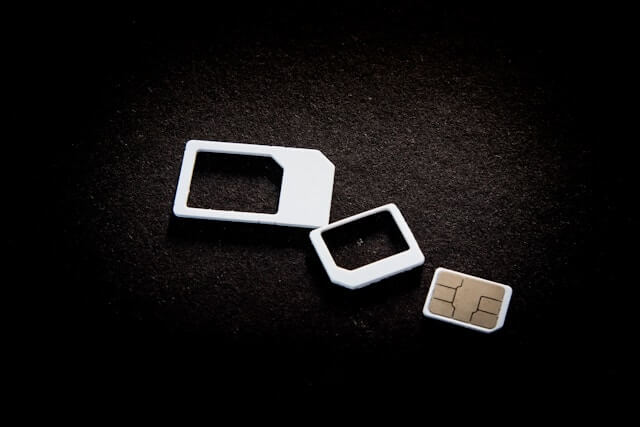
In this guide, we will cover exactly what an eSIM is, how it works, and why it might be the smarter choice for today's global users.
What Is An eSIM?
An eSIM is a tiny, built-in chip inside your mobile device that lets you activate mobile service without using or swapping physical SIM cards. An eSIM is embedded in your device and can be set up and activated in a short time.
What Does eSIM Stand For?
eSIM is the built-in, variant of a regular SIM (Subscriber Identity Module) card, and stands for Embedded Subscriber Identity Module. An eSIM is, therefore, also called an embedded SIM.
The eSIM provides all the standard SIM functions such as network connectivity and mobile plan features. It stays permanently installed in your phone, tablet, or smartwatch.
eSIM stands for embedded SIM, and is a built-in tiny chip in a mobile device that allows mobile connectivity and usage - features similar to those provided by a physical SIM card.
You will not need to manage any physical cards or perform manual card swaps because eSIMs operate differently. Mobile plans can be downloaded straight to your device where you can manage them using software.
How Does An eSIM Work?
The basic function of an eSIM is the same as a physical SIM. It identifies your device to the mobile network and allows access to your carrier's services, including voice, text, and data.
With an eSIM, your mobile plan is activated by downloading a digital profile. You usually receive a QR code or an activation code from your provider. Once scanned or entered, your device installs the carrier settings and begins connecting to the network just as if you had inserted a physical SIM card.
An eSIM is setup and activated digitally as compared to a regular or physical SIM card that needs to be manually inserted into the SIM card tray.
This process is not only faster, but it also makes switching providers much easier. There is no need to wait for a new card to arrive in the mail or find a SIM store while abroad. You can simply purchase and install a new plan directly from an eSIM provider.
What Is the Difference Between an eSIM and a Physical SIM?
The biggest difference between an eSIM and a physical SIM two lies in their installation and management processes.
A physical SIM is removable. Your device needs to have the SIM inserted manually, which frequently necessitates a SIM tool or a pin for tray access.
If you are using a physical SIM card and want to change networks, you will need to take out your current SIM and install a new one from your new provider. The installation process requires manual effort, which may be time-consuming at times.
An eSIM, on the other hand, is installed directly into your device and operates without needing any physical interaction. You can digitally download and activate a new plan without taking anything out.
eSIM technology provides more convenience to people who often switch service providers or do international traveling.
There are additional differences between eSIMs and physical SIMs, and if you are curious about them, check out our detailed guide on the topic.
Is An eSIM Better Than A Physical SIM?
For people who value convenience, speed, and flexibility, eSIMs are often the better option. The ability to activate or switch plans without handling a card is a major advantage. It is also safer, as eSIMs cannot be physically removed from a lost or stolen phone and reused in another phone.
All the above are great, but the single biggest advantage of using an eSIM is fast and reliable data when overseas without paying exorbitant roaming fees. Most eSIM plans are a fraction of the price you would pay if you used your mobile plan in roaming mode when abroad.
However, physical SIM cards still have their place. Not every mobile carrier supports eSIMs yet, and some devices may not be compatible. In certain countries or with some providers, you might find it easier to stay with a physical SIM.
Ultimately, the choice between an eSIM and a physical SIM depends on your needs and circumstances.
If you need multiple lines, or cheap access to overseas mobile connectivity, you should definitely check out eSIMs.
Can You Use An eSIM With A Regular SIM?
Yes, it is totally possible to use an eSIM and a regular SIM, also called a physical SIM, together.
Today's modern digital devices like smartphones and tablets generally support the usage of both an eSIM and a physical SIM concurrently. This is often termed as a dual-SIM feature or mode.
The dual SIM feature in modern smartphones allows you to operate one line through a physical SIM, while running another line on an eSIM. The system works well when you want to keep your personal number active while you add an additional work or travel number, or simply just a data plan for overseas connectivity.
Do You Keep The Same Phone Number With An eSIM?
Your phone number stays the same even after you activate an eSIM on your phone. This is because you can continue to have your current phone plan whilst adding an additional eSIM connection.
Even if you wish to switch from a physical SIM provider to an eSIM provider, you can often transfer your phone number from the old provider to the new one. Hence, your phone number will continue to operate normally and nothing will change in how others contact you.
What Can eSIMs Do?
An eSIM does everything a regular SIM can do but in a more flexible, user-friendly and cost effective manner. An eSIM allows you to make calls, send texts, and use mobile data, but its real strength lies in its flexibility.
Because an eSIM is not tied to a physical card, you can activate and manage multiple mobile plans right from your device.
That means you can switch carriers without leaving your house. You can even sign up for a short-term plan when traveling abroad without disrupting your main number.
An eSIM plan allows you to make calls, send messages and use data just as you would with a physical SIM. However, eSIMs tend to be cheaper and provide a lot of flexibility in their usage and management.
How Can I Use An eSIM?
Using an eSIM is surprisingly simple - once activated, it works exactly like a physical SIM card.
An eSIM can function as your primary line or become a secondary line, depending on whether your device has dual SIM capability. Many people choose to use eSIMs solely for data services while traveling and keep their local number on a regular SIM card.
To obtain an eSIM, you start by choosing a carrier that supports eSIMs. Then you need to decide which eSIM plan is suitable for your usage needs - this will typically entail determining your data usage when traveling overseas.
Once you have picked a suitable plan and purchased the same, you will get instructions on how to activate it on your phone. Often, the provider will provide you with a QR code for installation and setup. Your phone will walk you through the steps, and once complete, your device connects to the network just like it would with a traditional SIM.
How Can An eSIM Benefit Me?
The eSIM technology offers multiple advantages, particularly for those who prioritize convenience and/or travel overseas regularly.
Setting up an eSIM plan can provide you with the following benefits:
- Cost-effective data access when traveling overseas, without having to pay expensive roaming charges.
- Flexibility to have multiple networks on your phone, for example, for personal vs work needs.
- Uninterrupted network connectivity when you experience issues with your physical SIM.
- Not having to worry about losing or breaking your SIM card.
- No need to carry or insert any external components.
How To Use An eSIM For Travel?
People who travel frequently can simplify their mobile connectivity needs by adopting eSIM technology.
To ensure data access overseas, you can buy your eSIM travel plan online before your flight and activate it immediately upon arrival at your destination. This will save you the hassle of looking for a local SIM provider.
You can keep your home SIM card in place, which allows incoming calls and messages to continue working even when you are overseas.
How To Get An eSIM?
Getting an eSIM is generally fast and easy. First, make sure your phone supports eSIM functionality. Most newer smartphones, including Apple iPhones, Google Pixels and Samsung Galaxies, already do.
Next, check if your carrier offers eSIM plans. Many providers allow you to request an eSIM through their app or website. Otherwise, simply look for an eSIM provider to compare and purchase plans.
Once you have selected and purchased your desired eSIM, you will either get a QR Code or requisite details to activate your plan.
Where To Get An eSIM?
You can often purchase an eSIM directly from your mobile network provider. The settings menu of certain phones will let you browse available eSIM options and install them.
For example:
- iPhone 14: Go to your settings and select mobile data, then choose add eSIM. From here, you can choose to transfer an eSIM from another iPhone, scan a QR code, or browse carrier options if they are supported.
- Google Pixel 8: Go to your settings and choose network and internet. From here select SIMs and select the option download SIM instead? This lets you search for available eSIM carriers, scan a QR code, or manually enter eSIM details.
A useful tip - most mobile providers will either have a limited selection and/or provide expensive eSIM plans. A better bet it to search and compare options provided by third-party digital SIM providers. You will have more choices to compare and will save a lot of money in the process.
When traveling, you can choose region-specific eSIMs from eSIM providers, many of which provide instant download options.
What Is An eSIM Activation?
To activate an eSIM, you must install the carrier's digital profile on your mobile device.
More often than not, the provider will provide you with a QR Code which will guide you through the rest of the eSIM setup and activation process. If you do not get a QR Code, you will get easy to follow instructions from your eSIM provider.
The good news is that activating an eSIM only takes a few minutes without needing physical interaction.
When You Go Into A Country, Will An eSIM Activate By Itself?
An eSIM does not activate automatically unless it is already installed and set to connect. You will typically need to switch to the travel eSIM manually through your phone's network settings.
However, once enabled, an activated eSIM will connect to the local network just like a physical SIM would. To make things even easier, you can preload the travel eSIM before you leave, so it is ready to use the moment you land.
Are eSIMs Safe?
Yes, eSIMs are considered very secure. The absence of a physical SIM card means that fraudsters cannot easily transfer your cellular service to a different device.
Even if your mobile device is physically stolen, you can easily deactivate eSIM profiles on it remotely, and move them to another device.
Can An eSIM Be Hacked?
It is harder to hack eSIMs since special access privileges are required to remove an eSIM - any modifications need both your device and carrier account credentials.
Physical SIM cards, on the other hand, present more hacking opportunities compared to eSIMs because users can remove the SIM and insert it into another phone without carrier activation.
By following security measures such as using strong passwords and activating two-factor authentication, you will have more security for your eSIM compared to a conventional SIM card.
eSIM Advantages and Disadvantages
Like any technology, eSIMs have both benefits and limitations.
The biggest advantage is the convenience of getting access to fast data and connectivity when overseas, but without paying high roaming charges.
You do not need to handle any hardware, and you can install or switch plans in minutes. This is great for frequent travelers, people with multiple numbers, or anyone who wants to avoid the hassle of swapping physical SIM cards.
However, the availability of eSIM technology remains limited to specific carriers and regions. Also, some users may initially struggle with the initial setup and activation process needed for eSIMs. You may also need carrier assistance for eSIM transfers to a new phone.
RemitFinder's eSIM Summary: Choose Flexibility When You Need It
At RemitFinder, we believe staying connected should not be complicated.
This is especially relevant for the frequent traveler who has traditionally struggled with mobile connectivity when overseas. We all know the unpleasant feeling of seeing hundreds on our mobile plan bill for overseas roaming charges.
Enter the eSIM. Now you have the freedom to travel anywhere in the world without having to worry about cost-effective, reliable and fast mobile connectivity. Staying connected means staying ahead nowadays, and the eSIM allows you to just do that.
As the world shifts toward smarter, more efficient ways to manage mobile service, eSIMs are leading the way. If you are ready to ditch the plastic and embrace digital freedom, now is the perfect time to explore what an eSIM can do for you!
Do You Need To Find A Reliable And Cost-Effective Data Plan For International Travel?
RemitFinder is an online service that helps you compare eSIM data plans from numerous eSIM providers. By comparing various eSIMs, you can get the best eSIM for your trip and ensure you stay connected when overseas. RemitFinder, thus, helps you to get the best eSIM for international travel.
Categories


Similar Articles

Which Mobile Phones Support eSIMs?
Find out which mobile phones support eSIMs. Check device compatibility and learn how to use eSIMs for travel and everyday connectivity.
How To Transfer eSIM From iPhone To Android
Learn how to transfer an eSIM from iPhone to Android. Follow step-by-step instructions, compatibility tips, and best practices for a smooth switch.
Can You Have Multiple eSIMs? The Complete Guide
Can you use multiple eSIMs on one device? Learn how it works, device compatibility, and how to manage multiple eSIMs for travel or everyday use.