
Bank Transfers vs Remittances
Table of Contents
- Bank Transfers
- Remittance Services
- How to choose between Bank Transfers and Remittance Services?
- Bank Transfers vs Remittances - A head to head comparison
- Conclusion
At some point in our financial lives, we all have heard the terms bank transfers and remittance services. Understanding the difference between these transactions and the nuances of each one is an essential first step in gaining complete control of your finances, and this knowledge is guaranteed to serve you well moving forward.
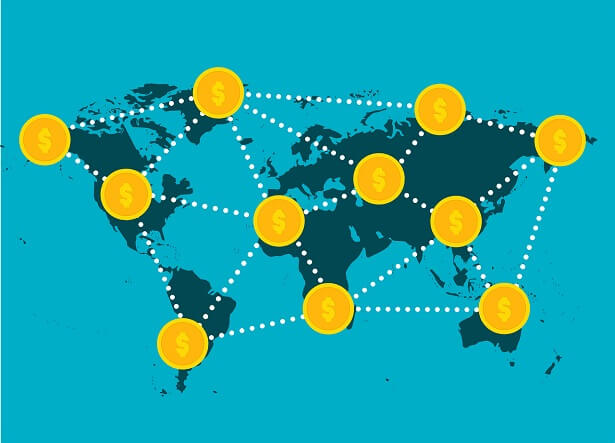
We'll dive deeper into each of these methods of moving money and take a look at what you should know about them; this could, after all, result in saving you both time and money when doing financial transactions.
Bank Transfers
What is a Bank Transfer?
The dictionary definition of a bank transfer is "sending money from one bank account to another, usually electronically". So basically, when completing a bank transfer, you look to shift your funds from your account to another. Receiving funds is also considered a bank transfer.
Simply put, a bank transfer is the process of moving money from one bank account to another, usually in a digital fashion.
How do Bank Transfers Work?
Unlike most other ways to transfer money, bank transfers do not have a long list of requirements to get started. As long as you have the information for the destination bank and account holder, you should be able to complete a bank transfer in a matter of seconds.
How to execute a Bank Transfer?
The steps below outline the most common process for completing a bank transfer.
1. The sender logs in to their online banking and selects funds transfer via bank transfer.
2. The recipient provides their bank account details to the sender, typically along with a unique transaction reference code.
3. The sender requests their bank to transfer the appropriate amount to the recipient's bank account.
4. The sender's bank transfers the funds to the recipient's bank, at which stage the funds enter the clearing phase.
5. The recipient receives the funds in their account once it has cleared.
Despite being a quick process to initiate, bank transfers do not guarantee the funds will immediately be available on the recipient's end. In most cases, it will take anywhere from 1-5 business days for funds to be available.
Bank transfer fees are usually minimal, and either the sender or recipient may be required to pay an additional exchange fee if the transfer entails converting from one currency into another. Bank transfers include stringent security measures making it one of the safest ways to transfer money worldwide.

Remittance Services
What are Remittance Services?
Remittance services provide an individual with the means to transfer funds to a recipient with or without a bank account. These transactions can occur over the counter using cash or, in some cases, through a remittance app. Remittances are also often referred to as international money transfers.
A remittance is a way to send money from one place to another, generally internationally. Remittances can be executed digitally, or money can be picked up as cash.
How do Remittance Services Work?
Remittance services are favored by expatriates who wish to send money to their families in their home country. These remittances often charge a higher fee than a bank transfer but are preferred due to the minimal requirements needed to use the service.
With remittance services, both sender and recipient do not need to have a bank account, and in most cases, senders can initiate a transfer quickly. The funds are almost immediately available to the recipient. There is no clearing period, but this also means that remittance services can be more prone to fraud.
How to execute a Remittance?
Remittance services are easy to use, and the steps below outline the most common process to complete a successful remittance.
1. The sender logs in to a remittance app or walks into a remittance center.
2. Sender fills up remittance form with their information and provides basic information of recipient such as full name, phone number, address, etc.
3. Once the request is submitted, the transfer amount and fees are calculated and paid.
4. The remittance service generates a unique money transfer control number and provides it to the sender.
5. The sender provides a control number to a recipient.
6. The recipient heads to the remittance center and submits a control number, sender's information, and presents a valid ID to claim the funds.
Many third-world countries see many inward remittances as recipients do not need to have a bank account to receive funds. The basic requirement of a valid ID means that almost anyone of legal age can access the funds sent from overseas.
Despite the higher transaction fees, remittance services provide favorable exchange rates, faster transacting, and have fewer requirements than traditional bank transfers offer, making them a popular choice for those transferring smaller amounts of money.
Remittances are a popular choice for people living overseas to send money home to their loved ones.

How to choose between Bank Transfers and Remittance Services?
Selecting the best way to transfer funds can be challenging, and both of these popular methods are effective, but there are some other factors to consider when transferring funds and each of these methods has pros and cons to consider.
Before we start the comparison, lets define some key terms first.
Bank Transfer & Remittance Service Terminology
There are a variety of terms that you will come across when dealing with bank transfers and remittance services. Understanding these terms will ensure you can select and efficiently complete these transactions.
- Account Holder: The person whose name the account was opened in and the only person authorized to initiate transfers. When initiating a transfer from your bank account, you will be asked the account holder information of the recipient.
- Authorization: Before the bank transfer is completed, your bank will ask for your approval or permission to complete the transfer. This approval is often automatically provided, but in some cases, you may need to input a verification code sent to the account holder's mobile number or email before the transaction is authorized.
- Banking Day: Banking day refers to days that the bank is open and operating; in most countries, weekends and public holidays are non-banking days.
- Clearinghouse: A clearinghouse handles the clearance of payments; when the sender initiates a transfer, it will not appear in the recipient's bank account until a clearinghouse approves the transaction.
- Cut-off time: Banks have an established time each day they stop processing transactions and will only resume transaction processing the next banking day. Transacting after this cut-off time may mean your transfer takes longer to arrive at the recipient's bank.
- Destination / Destination Country: Remittance Service will require the sender to state the recipient's location; this helps determine the currency and requirements for the remittance to be successful.
- Electronic Banking: A service that allows you to manage your bank account remotely via an app or the bank's website.
- Exchange Rates / Fees: Exchange rates determine the value of one currency against that of another, and both banks and remittance services charge a fee for completing the exchange.
- Money Transfer Control Number / Control Number (MTCN): A number provided to the sender after remitting funds. This number is then passed on to the recipient to claim the transfer.
- Payee: Banks would refer to the recipient of the transfer as the payee.
- Payor: Banks would refer to the sender of the transfer as the payor.
Bank Transfers vs Remittances - A head to head comparison
Now, let's compare bank transfers and remittances in a head to head battle!

Requirements
- Bank Transfers: To complete a bank transfer, you will need a bank account; this means you need to have a maintaining balance, proof of residence and may even be required to undergo a background check or credit report. These requirements apply to both sender and recipient.
- Remittances Services: Remittance services generally only require a single valid ID, phone number, and address (not proof of residence). This nominal requirement means almost anyone can make use of these services.
- Requirements Winner: Remittance Services
Security
- Bank Transfers: Banks go to great lengths to ensure their customer's security. The long list of requirements needed to open an account is a testament to that fact. In the improbable event of a bank transfer going wrong, banks have dispute processes in place to protect you.
- Remittance Services: The minimal requirements needed to complete a remittance means there is room for people to exploit the service. Fraudsters commonly use remittances to get paid as all they need is a fake ID and tracking them down is nearly impossible.
- Security Winner: Bank Transfers
Speed of Transaction
- Bank Transfers: It is not uncommon to hear of frustration from a recipient waiting on a transfer to clear. With cut-off times, banking days, and clearance times to consider, bank transfers can sometimes take over a week to complete.
- Remittance Services: Recipients can claim funds from a remittance almost immediately after the sender has completed the transaction with the remittance service.
- Speed of Transaction Winner: Remittance Services
Transaction Amount
- Bank Transfers: The safety and assurance provided by banks will give you peace of mind when sending large amounts of money. It may take longer, but at least you are sure your money arrives where it is meant to.
- Remittance Services: Remittance Services are excellent for smaller transactions, but the limits on transaction size are lower than bank transfers. The risk involved when sending a large amount is more significant.
- Transaction Amount Winner: Bank Transfers
Ease of Use
- Bank Transfers: Bank transfers are accessible for the sender, and you can complete transactions online in a few minutes via electronic banking. Most transfers can be completed from the comfort of your own home. Recipients may need to wait longer for the funds to be available, and in some parts of the world, it is uncommon for people to have bank accounts.
- Remittance Services: While some remittance services can be done online or via an app, many will require a sender to process the transaction over the counter. For recipients, most countries require they head to a remittance center to collect the transfer. Remittances don't have clearing times, so recipients get access to funds instantly.
- Ease of Use Winner: It's a tie
In general, bank transfers are better suited for larger amounts where security is more important than speed, while remittances are a great fit for smaller transactions that need to be sent quickly.

Conclusion
Just like a successful investor would check stock market websites for investment due diligence, it is important that you do your research prior to deciding how to best transfer your funds. Both bank transfers and remittance services are comprehensive solutions for those looking to move their money.
If a family member overseas needs funds urgently, a remittance would be a quick way to get it to them, whereas sending a large sum to the same family as savings would be best done via bank transfer. The helpful information above should help make these decisions easier in the future.
Categories


Similar Articles


US Big Beautiful Bill's Impact On Remittances
The Big Beautiful Bill has been passed in the US, and remittances are impacted. Learn how the Bill impacts remittances and what to do if you are affected by the new law.

Bangladesh Remittance Cash Incentive: All You Need To Know
Learn how Bangladesh's remittance incentive works and how you can earn an extra 2.5% when sending money home from abroad.
The Ins And Outs Of International Mobile Money Transfers
Learn how international mobile money transfers work, including fees, security, and tips to send money abroad using your mobile device.