
Safest Ways to Send Money Online
Table of Contents
- Why is it important to use a safe way to transfer money online?
- What security risks are involved in sending money overseas?
- How to securely transfer money overseas?
- How does a money transfer operator ensure safety?
- Enforcement of KYC guidelines
- Compliance with licensing and regulatory requirements
- Fraud detection and prevention
- Keeping your account secure
- Relying on latest technological solutions
- Safest ways to send money online - Case Studies
- Is Western Union a safe way to send money?
- Is MoneyGram a safe way to send money?
- Is PayPal a safe way to send money?
- Tips to send money overseas safely
In today's digital economy, we do everything online. From paying bills to attending online classes to attending live, streamed events, everything has moved online.
It is, therefore, no surprise that money transfers, also called remittances, also have a strong digital footprint.
Online transactions, however, come with many security and safety risks.
In this article, we provide tips on how to send money online safely. We also look at some safe ways to transfer money online, and present a guide on what to look for when choosing a secure money transfer company.
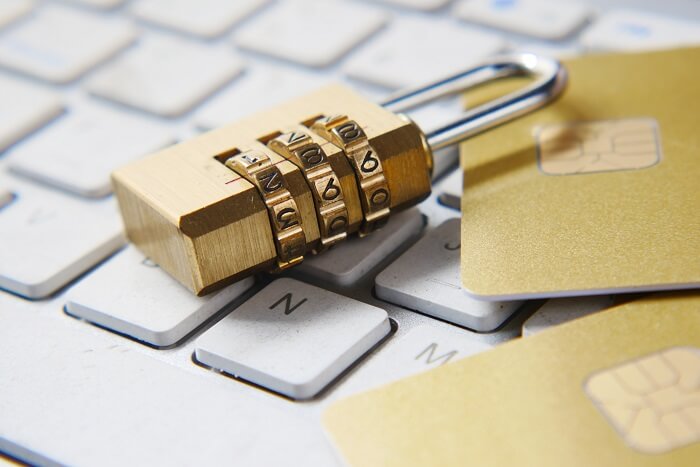
Why is it important to use a safe way to transfer money online?
You work hard for your money. Given that, you expect your overseas funds transfers to complete securely, and that your recipient gets the funds. Hence, protection of your money is the biggest reason why you want to find the safest way to transfer money online.
In addition to monetary loss prevention, you also want to ensure that your information is safe as well. Loss of your personal and financial information can lead to identity theft, which can be an expensive and laborious process to recover from.
Protection of your money and private information is critical to ensure your digital safety.
Below, we talk about various risks inherent in online money transfers.
What security risks are involved in sending money overseas?
There are many ways your security could be compromised when sending money abroad. Read on to see some such risks.
Loss of funds
The first risk you face with online transactions is loss of funds. This is simply the loss of your money due to an insecure transaction. Due to some security breakage in the money transfer process, your money does not reach the recipient, and gets routed somewhere else instead.
Account takeover
Another type of fraudulent activity is an account takeover. In this case, an attacker is able to overtake your account, and initiate transactions on your behalf.
Account takeover can lead to both loss of funds as well as loss of your personal information.
Identity theft
An identity theft is one of the most serious types of fraud one can be a victim of. If your account gets compromised, your personal and confidential information may get stolen. With your private information, an attacker can impersonate you and open new accounts in your name.
Identity theft is a serious crime punishable by law. Victims of identity theft often face long and expensive battles to repair their online identity.
Identity theft can seriously harm your digital well-being, and may take a long time to recover from.
Various scams
There are numerous other online scams that can lead to loss of funds as well as information. The list of such scams is ever evolving, but below we present some well-known ones prevalent in the money transfer space.
- Lottery scams claiming you won a lottery and need to pay a fee to get the funds from the win
- Foreign inheritance scams that mention you have money waiting to be inherited
- Sending money to strangers or unknown persons
- Offers to purchase goods or services online at very high discounted rates
- Relationship scams whereby a fraudster will befriend you online, and later ask for money
- Employment scams whereby you get asked to pay for hiring costs to start a fake job that actually does not exist
To avoid being a victim of these types of scams, never send money to anyone who you have not met or do not know.
Also, be wary of offers that are too good to be true. If a product or service was really available for 90% discount, as an example, the company making it would likely be offering that promotion in the first place.
There are numerous types of scams prevalent in the money transfer space. Be aware of them to prevent being a victim.
Next, we will discuss various ways transaction security can be improved during the end to end money transfer process.
How to securely transfer money overseas?
The money transfer process involves quite a few touch points where security, or lack thereof, can have a big impact on the overall safety of the transaction.
The most important actors involved in a money transfer are the sender, the money transfer company and the recipient - each one must do their part to ensure that the whole process finishes safely.
In this section, we discuss steps that the sender and the receiver must take to ensure a secure transfer of funds overseas.
Safety guidelines for remitter or sender
The sender is the first participant in the overseas funds transfer process as he or she initiates the transaction.
If you are sending money abroad, you should follow the below guidelines to ensure your money and data are secure at all times.
- Keep your account secure at all times by maintaining confidentiality and privacy of your information
- Use different usernames and passwords for different accounts, and ensure that password length and complexity requirements are met
- Change password after recommended time intervals
- Setup multi factor authentication (MFA) or 2-factor authentication (2FA) if supported by the money transfer company
- Never send money to someone you do not know
- Be wary of deals and offers that seem too good to be true
- Comply with legal and regulatory requirements that your chosen money transfer company must enforce to ensure safety of your funds and information
- Follow any secure guidelines issued by your money transfer operator
Safety guidelines for money transfer recipient or receiver
Just as the money transfer process starts with the sender, it finishes with the recipient or the receiver of funds. It is, therefore, very important that the recipient also play their part in ensuring the overall safety of the transaction.
If you are receiving funds from an online money transfer, below are some best practices to adhere to ensure the safety of funds and information on your end.
- Provide accurate and updated information to the sender so funds reach you instead of someone else by mistake
- Keep your receiving account secure at all times to avoid any risk of unauthorized access
- Do not disclose facts or information about an incoming funds transfer to anyone
- Share proof of identification and any necessary documentation to be able to receive funds
- If picking up cash from an agent location, ensure physical safety for both yourself and your money
- Let the sender know that your got, or did not get, the funds
Both sender and receiver have an important part to play in ensuring a secure money transfer.
How does a money transfer operator ensure safety?
A money transfer operator is the conduit to do the actual remittance transaction. It is, therefore, very important that the money transfer operator afford its customers a secure way to send money at all times.
There are several ways the money transfer company can ensure a safe online money transfer; below we discuss some of these.
Enforcement of KYC guidelines
KYC stands for "know your customer".
Money transfer companies are required by law to verify your identity to ensure that it is you who is sending money and not someone else. Hence, it is very common for the money transfer companies to ask you to provide government issued identification and other related information to confirm your identity.
Verifying that you, and not someone else, is sending your money is also important to enforce anti money laundering (AML).
Money laundering is the process of taking illegal money and making it look legal, and fraudulent money transfers have been used by criminals to achieve this. Verifying your identity carefully is part of combating money laundering.
Compliance with licensing and regulatory requirements
Operating a money transfer business generally requires adherence to national or regional financial licensing and regulatory requirements. Money transfer operators are requirements to comply with such laws, without which, they do not get their license to operate.
This is an important aspect to ensure that money transfer companies adhere to strict laws and guidelines to execute secure financial transactions.
Fraud detection and prevention
Another way a money transfer operator can maximize a secure environment to facilitate international money transfers is to invest in fraud detection and fraud prevention.
With the advent of Artificial Intelligence and Machine Learning, it is becoming increasingly common for companies to rely on intelligent systems to detect fraudulent activity to detect potential fraud. This has strong application in the international money transfer space, and many money transfer companies have adopted this approach to prevent fraud.
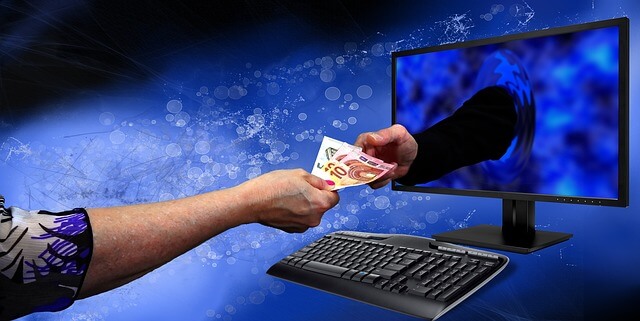
Keeping your account secure
One of the fundamental responsibilities of a money transfer company is to help you keep your account secure.
In addition to enforcing identity checks and other secure requirements like password guidelines, the money transfer operator can also choose to support multi factor authentication (MFA) to further enhance account security.
Two factor authentication (2FA) is a type of MFA whereby the money transfer company can ask you to sign in with 2 methods. Generally, these are different channels to ensure that it is you who is accessing your account, and not someone else.
For example, you may be asked to enter a code sent to your mobile after you login into your account. This ensures that if your account was hacked, no one can use it since they will not have your phone to proceed.
Sometimes, MFA or 2FA is enforced when initiating new transactions to ensure an added layer of security to transfer funds.
Relying on latest technological solutions
Hackers and criminals are always pushing the boundaries of technology to come up with smart ways to commit fraud. It is, therefore, important that a money transfer company keep their systems modern and secure to ensure their systems are not compromised at any time.
Some of the best practices that companies can undertake to ensure this include:-
- Installing updated and patched hardware and network systems
- Relying on secure software solutions and frameworks
- Regularly updating and patching any old, outdated software
- Running regular technology audits to ensure systems are operating securely at all times
- Staying updated on industry best practices and security guidelines on an ongoing basis
Inspect your money transfer operator's security and safety guidelines to ensure your funds and information will be safe with them.
Safest ways to send money online - Case Studies
In this section, we look at some case studies on some of the most secure ways to send money online. Our goal is to inspect some popular money transfer choices and see how they ensure the safety of your money and information.
In particular, we look at how Western Union, MoneyGram and PayPal adhere to secure money transfer policies.
Is Western Union a safe way to send money?
Western Union is a safe way to send money as they take the security and safety of your funds and private information very seriously.
Western Union implements all safe practices like KYC, proper identification, keeping your account safe and ensuring various ways to detect and report fraud.
Additionally, Western Union is regulated by local governments and financial institutions in all the markets they operate in.
Be sure to check your local WU website to validate this before you send money with them.
Is MoneyGram a safe way to send money?
Just like Western Union, MoneyGram also takes security as a top priority. Your money and information should be safe with them as they implement all the requisite industry best practices to process money securely.
MoneyGram also advises consumers on how to prevent fraud. This is helpful for customers who are especially new to the online money transfer space.
As a global money transfer operator, MoneyGram is licensed and regulated in all the markets they operate in. Usually, this information is readily available on their country sites.
You can also read our detailed Western Union vs MoneyGram comparison where we also go into details into the ways both companies execute secure money transfers.
Is PayPal a safe way to send money?
PayPal is licensed in various US states as well as internationally to handle money and information securely. As a globally known brand, you can trust them with your money.
PayPal owns Xoom, which is also a popular money transfer company. As a PayPal service, Xoom follows the same security and safety guidelines as its parent organization.
An added benefit of using PayPal is that the receiver of your funds never gets access to or sees your financial information like your credit card number or bank account information. As a result, PayPal is a popular way to pay individuals and businesses, and many merchants across the world accept PayPal as a payment method.
For more information about Xoom and PayPal secure money transfer practices, feel free to check out our in depth comparison between Xoom and Remitly.
Western Union, MoneyGram and PayPal are all safe options to send money overseas.
Most well established and good brands in the international money transfer arena take the security and safety of your private information and money very seriously. Always check for additional security information on your provider's website before sending money with them. After all, it is in your best interest to find the most secure way to send money online!
In the remainder of this article, we will present some best practices you should follow to securely transfer money overseas.
Tips to send money overseas safely
Now that you are aware of various aspects of secure remittances, we would like to present some safety guidelines to protect your money as well as identity. Read on to see what these best practices are.
Keep your account safe
Keeping your account safe is the first and foremost thing you should do. You can do this by following some simple tips as below.
- Never disclose your personal information to anyone
- Make your account username and password hard to guess
- Follow password complexity guidelines to ensure your password will not get compromised with brute force attacks
- Change passwords frequently to ensure more safety
- Use multi factor authentication if available
- Regularly keep an eye on account activity and report any suspicious activity immediately
Use a password manager
A password manager is a service that allows you to manage your passwords for various accounts. Such a service stores your passwords for many accounts in a secure way, so you do not have to remember many passwords. This way, you have to remember only one master password to access your password manager account.
There are numerous popular password manager services (for example, LastPass, 1Password, etc.) out there. Check them out and see which one suits your needs best.
Research money transfer operators well
With so many money transfer operators to choose from, it may seem harder to decide which one to pick. You can use RemitFinder's online money transfer comparison tool to compare many choices in a single place. This will help you save time and money.
Be sure to check security and compliance information about your chosen provider(s). This information is usually readily available in the footer of company websites, as well as in their frequently asked questions section.
You work hard for your money, so make sure you choose the most secure way to send money internationally.
Disclose minimum information
A general principle in information security is the minimum disclosure policy. What this means is that the least amount of information necessary for a transaction be used.
You should follow this principle as well. Do not disclose any more information than necessary. This can go a long way in preventing fraud and loss of information.
For example, scammers may call, text and email you with catchy messages like you have money available in your account, your account is locked, you need to call asap, etc. Be skeptical of this, and contact the company directly instead of responding to such messages. This will ensure you do not disclose any information to unintended recipients.
Know your recipient well
"Know your recipient well" may seem like obvious advice at first, but research reveals that there are a lot of relationship scams out there.
There are a lot of online scams related to friendship and dating whereby a scammer will befriend you well online, and later ask for money. You may want to trust your heart to help someone in need, but be aware that a lot of scams use this mode of operation.
In general, do not send money to someone you do not know personally.
Never send money to someone you do not know well.
This applies to businesses as well. Many fraudsters advertise online products and services, and once you pay, there is no real product or service that you get. Be on the lookout for offers that are too good to be true.
For example, a huge discount on a product from a reseller should be suspicious if the original manufacturer or other competing sellers are not offering similar discounts.
Secure your network and devices
Ensure that your devices and network are secure at all times. You can follow the below best practices to do this.
- Keep your devices (phones, tablets and computers) on latest operating system versions
- Install security updates on your devices as soon as possible
- Install antivirus software and keep it up to date
- Secure your Wi-Fi network - most internet providers have easy to follow instructions on how to do so
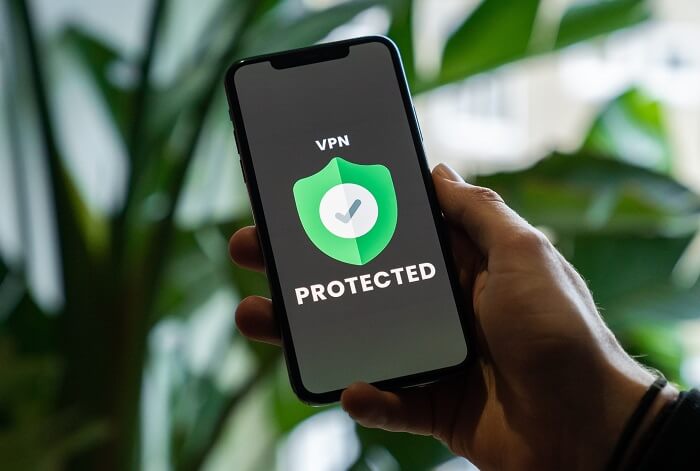
- Use a virtual private network (VPN) is possible - a VPN further strengthens your network by establishing a private tunnel for information exchange
- Do not use public networks and computers to access your accounts or private information
Stay updated with security trends and information
As the digital economy evolves, we see more advancements in security and threat detection and prevention. But at the same time, hackers and scammers are also getting more creative and smarter in coming up with more ways to steal your money and information.
Follow best practices to ensure account and information safety at all times.
Therefore, as a consumer, you should ensure to stay updated with trends and information on an ongoing basis. The more aware you are of prevalent scams and security threats, the better equipped you will be to avoid them.
The above list is by no means exhaustive, so we highly recommend you stay alert at all times.
As a general rule, be skeptical and double check everything to ensure you do not become a victim of fraud, or worse, identity theft.
This concludes our analysis of the various safety aspects of money transfers. We hope you have learned something new from this, and will continue to take steps to ensure the safety of your data and money.
Categories


Similar Articles


US Big Beautiful Bill's Impact On Remittances
The Big Beautiful Bill has been passed in the US, and remittances are impacted. Learn how the Bill impacts remittances and what to do if you are affected by the new law.

Bangladesh Remittance Cash Incentive: All You Need To Know
Learn how Bangladesh's remittance incentive works and how you can earn an extra 2.5% when sending money home from abroad.
The Ins And Outs Of International Mobile Money Transfers
Learn how international mobile money transfers work, including fees, security, and tips to send money abroad using your mobile device.